
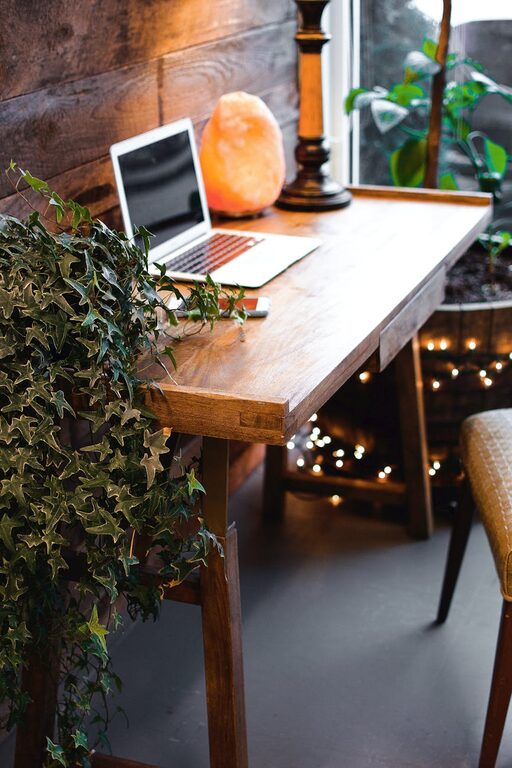
Creating a cozy and inviting home office space is essential for boosting productivity and maintaining a positive mindset throughout the workday. With more people working from home than ever before, having a dedicated area that feels both comfortable and efficient can make all the difference. Whether you have a spare room or just a small corner, these tips will help you design a home office that you’ll look forward to using every day.
Choose the Right Location
Consider Natural Light
Natural light is one of the best elements you can bring into your home office. Position your desk near a window to take advantage of daylight, which can improve mood and reduce eye strain. If natural light is limited, choose a bright but soft artificial light source.
Minimize Distractions
Select a quiet spot in your home where interruptions are least likely. Being near a busy hallway or the kitchen might make it harder to concentrate. If your space is open, consider using room dividers or shelving units to create a sense of separation.
Invest in Comfortable and Functional Furniture
Ergonomic Chair and Desk
Comfort is key to working long hours without discomfort. Choose an ergonomic chair that supports your back and encourages good posture. Pair it with a desk that suits your height and offers enough surface area for your work essentials.
Use Adjustable Elements
Height-adjustable desks or chair settings can help you customize your workspace to your needs, promoting better circulation and reducing fatigue.
Personalize Your Space
Add Soft Textures
Incorporate soft cushions, a cozy throw blanket, or a rug to add warmth and comfort. These elements make the space feel welcoming and can also help absorb sound, reducing noise levels.
Bring in Plants
Greenery adds color and life to any space. Easy-to-care-for plants like succulents, pothos, or peace lilies can purify the air and create a calming environment.
Display Personal Items
Including items that inspire you, such as photos, artwork, or meaningful objects, can enhance your motivation and make the space uniquely yours.
Organize for Clarity and Efficiency
Declutter Regularly
Keep your workspace neat by removing unnecessary items daily. A clean environment can help reduce stress and boost focus.
Use Storage Solutions
Shelves, filing cabinets, and desk organizers help keep paperwork and supplies tidy and accessible. Label boxes or drawers to find things quickly and maintain order.
Cable Management
Tidy cables with clips, sleeves, or under-desk trays to avoid a messy look and prevent tripping hazards.
Enhance Lighting
Task Lighting
Use a desk lamp with adjustable brightness to focus light exactly where you need it for reading or detailed work.
Ambient Lighting
Soft overhead or wall lighting can create a pleasant atmosphere that reduces eye strain when combined with task lighting.
Warm Light Bulbs
Choose bulbs with a warm color temperature (around 2700K to 3000K) to create a cozy feel.
Control Temperature and Air Quality
Keep It Comfortable
Ensure your office has good ventilation and a comfortable temperature. A small fan, heater, or portable air purifier can help maintain a healthy environment.
Avoid Cluttered Air Flow
Make sure your furniture placement doesn’t block windows or vents, allowing fresh air to circulate freely.
Incorporate Calming Colors and Decor
Choose Soothing Colors
Soft neutrals, light blues, greens, and warm tones often create a relaxing environment. Avoid overly bright or harsh colors that may be distracting.
Use Artwork Mindfully
Select prints or posters that inspire creativity or calmness, depending on your preference.
Set Boundaries for Work-Life Balance
Define Work Hours
Having a dedicated space can help mentally separate work from personal time. Try to keep your office usage limited to working hours.
Signal When You're Working
Use a door sign, closed door, or other cues to let others know when you’re not to be disturbed.
—
Creating a cozy and inviting home office is about combining comfort, functionality, and personal touches. By carefully choosing your location, furniture, lighting, and decor, you can design a space that supports your well-being and productivity. Remember, this is your space—make it one you enjoy spending time in!